
Imago
AP Photo / Marta Lavandier
Imago
AP Photo / Marta Lavandier
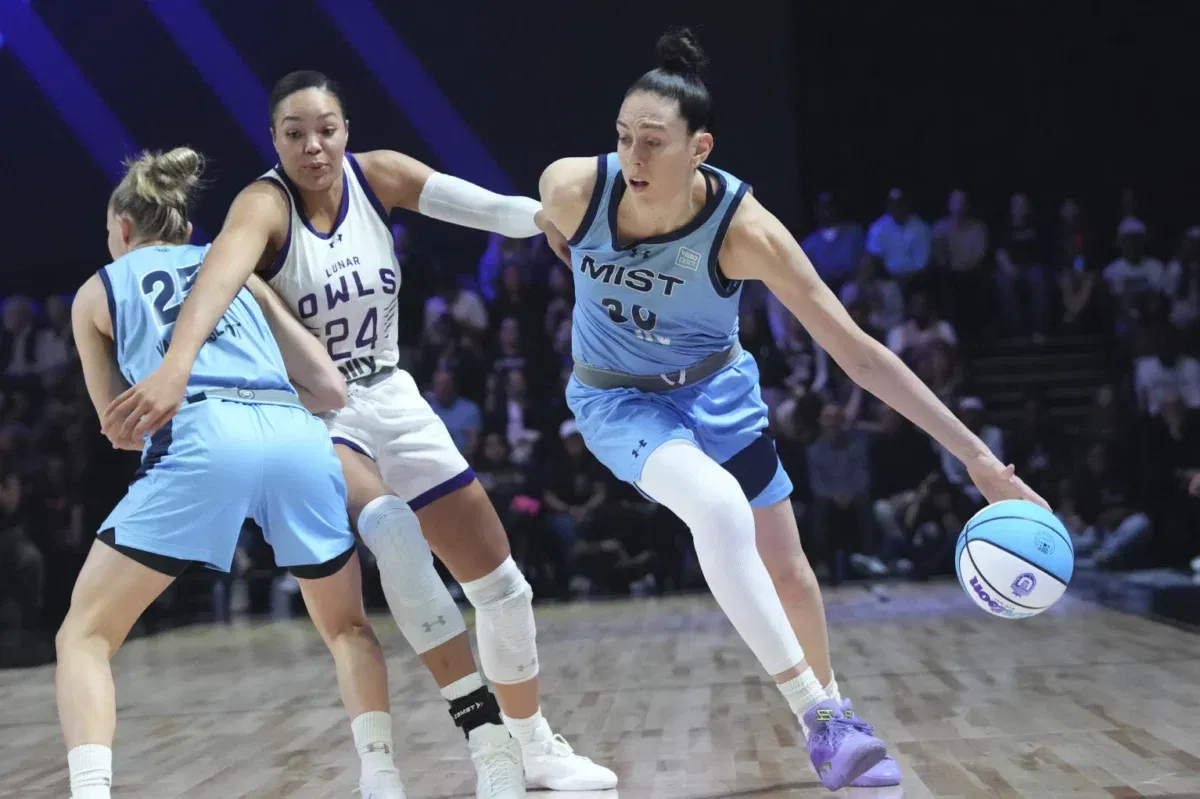
Unrivaled promised to be different, different from the standard women’s basketball leagues have set. It’d be a faster, cleaner, player-first tournament. But just a few days into its second season, an uncomfortable similarity already surfaced, and it’s the same issue players have been facing for years in the WNBA.
Watch What’s Trending Now!
Officiating.
This concern comes into the spotlight after FOS reporter Annie Costabile bluntly wrote on X: “One similarity between the WNBA & Unrivaled: officiating needs work.”
ADVERTISEMENT
One similarity between the WNBA & Unrivaled: officiating needs work.
— Annie Costabile (@AnnieCostabile) January 11, 2026
Two days ago, Cameron Brink’s Unrivaled debut was limited to only 7 minutes as she found herself in foul trouble. In a game between the Breeze BC and the Phantom BC, she entered late in the first quarter and picked up her first whistle within 40 seconds while defending Kiki Iriafen on a drive. It didn’t stop there.
Two more fouls followed in rapid succession, one on a loose-ball tie-up, another on a contested shot, giving her three fouls before the quarter even ended.
ADVERTISEMENT
When Brink returned to the court in the third quarter, the whistles continued. A moving screen call came seconds after she checked in, followed by another foul, battling for a rebound. Five fouls in just seven minutes, and her night and her impact were effectively over.
For a player whose value lies in rim protection, physicality, and presence, this kind of whistle doesn’t just limit production; it forces them to adapt to a different style of play where their impact is minimal.
ADVERTISEMENT
That’s where the parallel with the WNBA becomes hard to ignore. Officiating has been a lingering issue for the players, so much so that it has resurfaced again during CBA talks as players push for better standards across all aspects of the league.
Imago
IMAGO
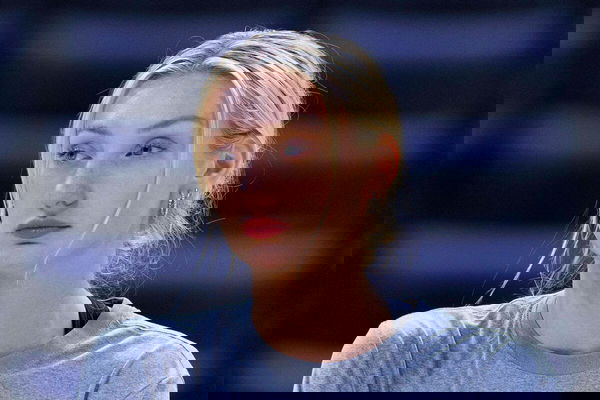
Even last year, in the first-ever season of Unrivaled, Angel Reese’s physical style repeatedly drew tight calls, often sending her to the bench early with foul trouble. Several of those games followed a familiar pattern: Reese establishing inside position, absorbing contact, and still being penalised for playing through it. She also made history by becoming the first player to be ejected from the 3v3 league.
ADVERTISEMENT
The result was muted on-court impact and frustration among fans who felt the league’s most physical forward was being officiated out of her natural game.
So if this becomes a trend, Unrivaled risks inheriting the same frustration it had to escape. The timing couldn’t have been worse. As the WNBA and the WNBPA remain locked in CBA negotiations centered on revenue sharing and compensation, long-simmering issues around officiating have resurfaced in the background.
What makes this moment especially ironic is that co-founder Napheesa Collier had recently made a bold statement.
ADVERTISEMENT
Napheesa Collier points to Unrivaled as proof of a sustainable model amid the CBA battle
Back on January 5, on Unrivaled’s opening day, Collier, who’s sidelined this season due to ankle surgeries, during a mid-game interview said:
“Well, our (CBA) deadline is coming up right now, in a couple of days,” Collier said. “I think you’ve heard a lot of chatter about what we’re asking for is not sustainable for the business. Being on this side, with Unrivaled, I know what it takes to run a sustainable business. So I think if they can’t find a model that makes that happen, they need to put people in place who can. Because we’ve proven that it is possible. There is a way. And we’re thriving in that.”
ADVERTISEMENT
Imago
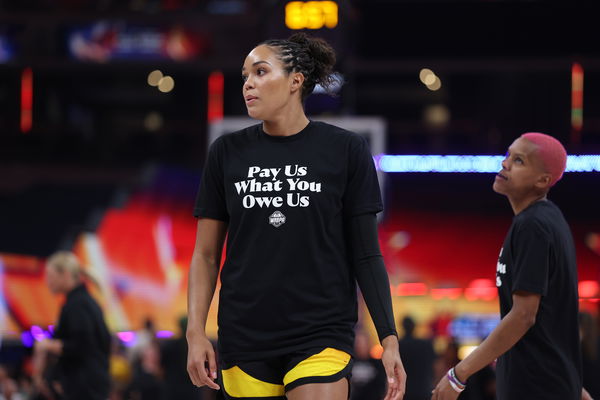
Jul 19, 2025; Indianapolis, IN, USA; Team Collier forward Napheesa Collier (24) looks on before the 2025 WNBA All Star Game at Gainbridge Fieldhouse. Mandatory Credit: Trevor Ruszkowski-Imagn Images
Collier’s comments underscore the broader connection between Unrivaled and the WNBA. If the WNBA wants to evolve in player experience, sustainability, or revenue distribution, she is essentially saying the blueprint already exists. Her offseason league has demonstrated that a player-focused model can thrive without sacrificing financial or operational stability, even as WNBA stars demand more consistent officiating and equitable compensation in their negotiations.
Top Stories
NFL Announces Punishment for Josh Allen’s Offense After ‘Violent Gesture’

Simone Biles Takes Playful Jab at Green Bay Packers After Chicago Bears’ Stunning Win

NASCAR Rumor: RAM’s Reality TV Show Winner Leaked Days Before Airing Leaving Fans Stunned

Fired John Harbaugh Announces News for Giants & Browns as Ex-Ravens HC Confirms Stance on NFL Job – Report

Jordan Love Confirms Feelings on Matt LaFleur’s Firing Rumors After Contradicting HC Over Bears Loss
Lindsey Vonn Faces Unfortunate Fate, Misses Chance for Another World Cup Milestone

However, the WNBA and the WNBPA have failed to reach an agreement before the January 9 deadline.
ADVERTISEMENT
The league has proposed a temporary moratorium to avoid more complications, which would freeze key league mechanisms, including free agency, qualifying offers, and core player designations. That would leave nearly 70% of players unable to formally negotiate or finalize where they’ll play next, effectively putting roster movement on hold until a new CBA is reached.
The league’s rationale is to prevent teams and players from making decisions under the current agreement that could later conflict with new rules on contracts, revenue sharing, or player protections once a deal is finalized.
ADVERTISEMENT
ADVERTISEMENT
ADVERTISEMENT
