
Imago
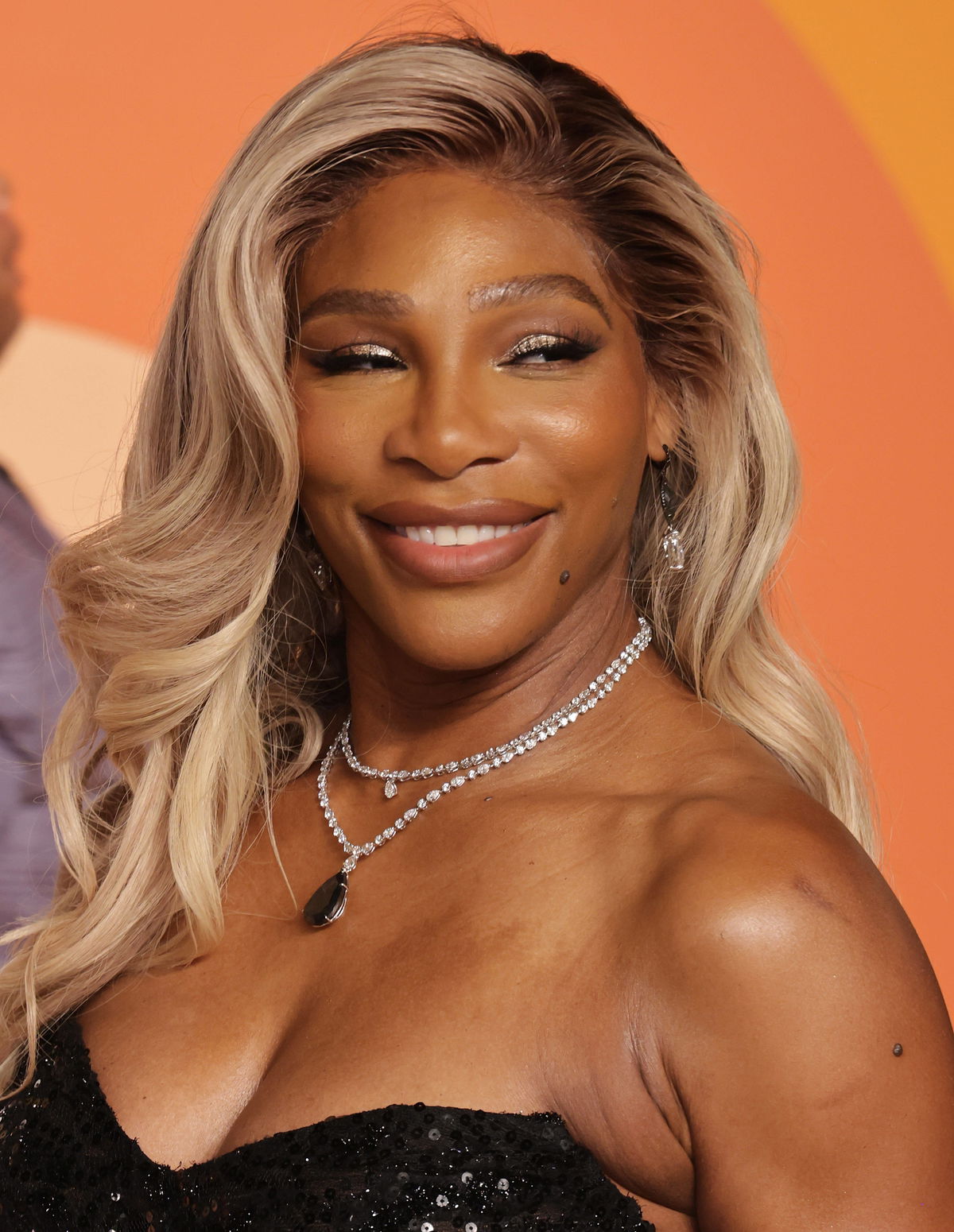
2025 Vanity Fair Oscar Party – Arrivals Serena Williams attends the 2025 Vanity Fair Oscar Party at Wallis Annenberg Center for the Performing Arts on March 02, 2025 in Beverly Hills, California. Beverly Hills Wallis Annenberg Center for the CA USA Copyright: xCraSH/imageSPACEx
Imago
2025 Vanity Fair Oscar Party – Arrivals Serena Williams attends the 2025 Vanity Fair Oscar Party at Wallis Annenberg Center for the Performing Arts on March 02, 2025 in Beverly Hills, California. Beverly Hills Wallis Annenberg Center for the CA USA Copyright: xCraSH/imageSPACEx
Rumors swirled silently with whispers of Serena Williams’ return to professional tennis. The tipping point was when she rejoined the International Tennis Integrity Agency’s (ITIA) drug-testing pool to keep her eligibility open IF she wants to return. For many fans, the news meant seeing Queen Williams on the court again – to witness history possibly being scripted once again, three years after she retired. But the tennis legend quickly shut down the swirling rumors with a short message on social media.
Watch What’s Trending Now!
“OMG yall I’m NOT coming back. This wildfire is crazy.”
People are still captivated by her persona on the court, but for Williams, it’s clear that her priorities have changed. She’s now all about focusing on her family and growing her business empire. In a recent interview with Paycom, she opened up about what really drives her success. She talked about how her father, Richard Williams, instilled discipline in her and how the mindset of a champion athlete is not very different from that of a smart entrepreneur – both require being the best version of yourself every single day.
ADVERTISEMENT
A major role that Serena Williams’ father played in her life
You can’t really talk about Serena Williams without mentioning Richard Williams. He’s the parent whose vision and determination set the stage for his daughters’ amazing careers. Known as “King Richard,” he figured his daughters could become tennis champions after catching a glimpse of the prize money at a tournament on TV.
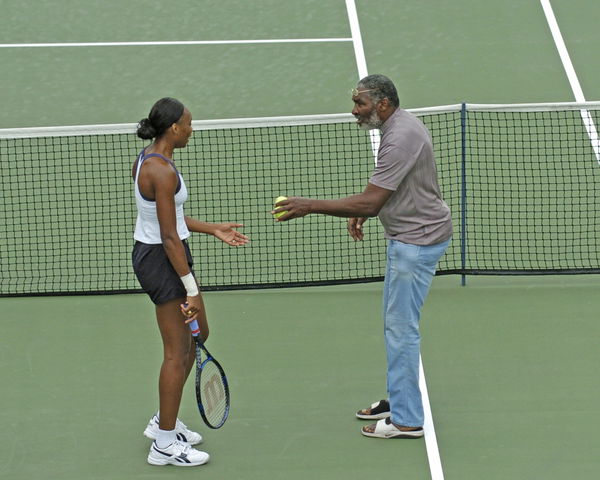
After that, he threw himself into a tough and unique training routine on the public courts in Compton, California, a place that was a notoriously dangerous neighborhood. Even through this tough environment, Serena’s discipline became central to her life. Recently, when Serena was asked about when she first learned discipline as a young athlete, she immediately credited her father’s consistent daily dedication.
ADVERTISEMENT
“As a young athlete, I feel like the discipline was instilled in me. My dad showed up every day,” she reflected.
Top Stories
Taylor Fritz Gets ‘Slapped’ in Japan After Girlfriend Plans Bold Surprise

Coco Gauff, Aryna Sabalenka, Iga Swiatek Headline Tennis’ Takeover of 2025’s Highest-Paid Women

24-Year-Old WTA Pro Leaves Russia in Stunning Switch of National Allegiance

Stefanos Tsitsipas’ Mother Gets Honest About Her Son’s Surprising Statements: “Stood There With My Mouth Open”

Frances Tiafoe Makes Feelings Clear About Taylor Fritz After Brutal Clash: “Can’t Stand Him”

She expressed awe at his consistency, contrasting it with the challenges of parenting, and explained that his presence was a masterclass in perseverance.
ADVERTISEMENT
“I think it’s important to… build that discipline, you having someone you know that shows up every day and shows you what it’s like to be disciplined and shows you what it takes to do it.”
Getty
Venus Williams works with her father, Richard, during practice before her fourth round of the women’s singles September 5, 2004 at the 2004 US Open in New York. (Photo by A. Messerschmidt/Getty Images) *** Local Caption ***
She credits him not just for modeling the behavior but for actively pushing “you to push yourself beyond what you think you can do.” She believes this external force is essential.
ADVERTISEMENT
“I think that is what created my discipline, because otherwise I don’t think we have discipline. I think it’s how we get it… I think that’s how your discipline is created.”
Richard’s impact went beyond just daily practice; it was all about strategy. Serena has mentioned before that his ultimate goal was one that every parent aims for: “He wanted us to have a better life for ourselves than he had.”
ADVERTISEMENT
The parallels between sports and the business world
For some, the shift from being a top athlete to a business mogul might look like a big leap, but for Serena Williams, it was an effortless transition, rooted in the same fundamental values. She turned business savvy pretty early on, thanks to her father, who got her involved in big sponsorship deals, including that impressive $13 million contract with Puma when she was just 17.
Today, her venture capital firm, Serena Ventures, has put together a portfolio of more than 85 companies, featuring 14 “unicorns” such as MasterClass and Impossible Foods. This has helped her amass a personal net worth that Forbes estimates at $350 million, which is quite a leap from her nearly $95 million in career prize money. She thinks the similarity between the court and the boardroom is really deep and essential.
“In sport, you have to have a lot of discipline. You have to be dedicated to continue to show up through failures and through wins and through losses and through ups and downs,” she stated. “And obviously I feel the same as in business.” She specifically addressed the myth of the “overnight success,” a concept she rejects in both fields.
ADVERTISEMENT
Imago
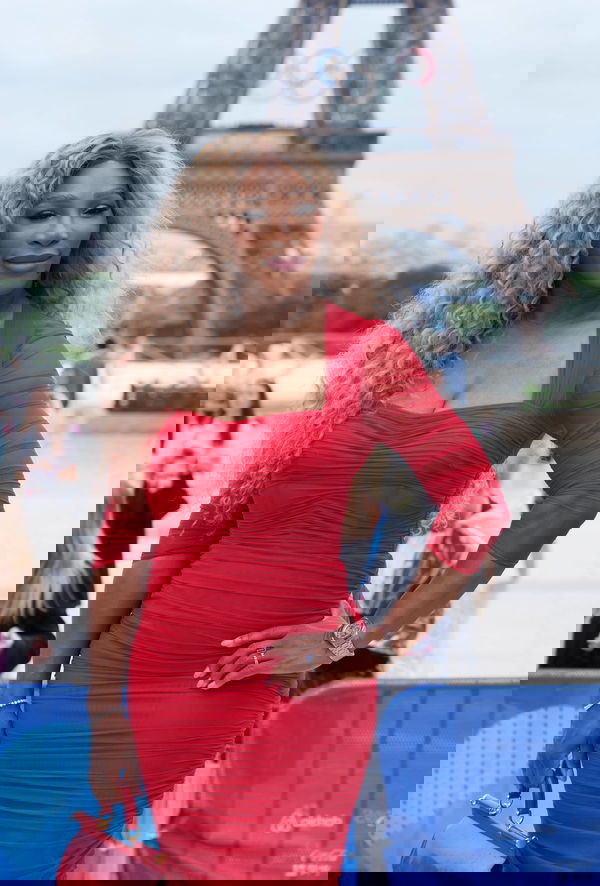
Sport Bilder des Tages Olympics: Opening Ceremony Jul 26, 2024 Paris, FRANCE Serena Williams arrives on the red carpet before the Opening Ceremony for the Paris 2024 Olympic Summer Games along the Seine River. Paris FRANCE, EDITORIAL USE ONLY PUBLICATIONxINxGERxSUIxAUTxONLY Copyright: xJamesxLangx 20240726_jel_no5_235
“There’s no overnight success as an athlete. You start at a young age… and you begin to develop. And I think the same thing can come in business.” She elaborated that building a company, much like a championship career, requires an initial idea, a detailed plan, assembling the right team, and relentless execution. Leadership is another key intersection.
“In sport, in particular my sport, I wanted to show up every day for my team… the leader has to be the best. They have to have the best attitude, they have to have the best work ethic, and then they have to always have goals.” This mentality translates directly to her business philosophy, where setting clear objectives is “one on one with business.”
ADVERTISEMENT
Her disciplined and goal-oriented approach has really helped her manage a wide-ranging brand that includes fashion (S by Serena), sports ownership (Angel City FC), and venture capital, all while keeping her personal brand cohesive.
Her advice to the young entrepreneurs
Serena Ventures has really allowed Williams to step into the role of not just an investor but also a mentor. She’s all about supporting founders from underrepresented groups, and it shows. Women or those from diverse backgrounds lead almost 76% of the companies in her portfolio. This perspective offers her a special understanding of the typical challenges that new entrepreneurs encounter.
ADVERTISEMENT
When she was asked about the biggest mistakes she sees, she pointed out two key issues. First up is the overwhelming urge for instant gratification. “I think some of the mistakes that I’ve seen in entrepreneurs is just the lack of discipline. I’m feeling the biggest mistake I think is wanting to create overnight success. That doesn’t happen,” she cautioned.
She uses the monumental success of Amazon as a prime example of sustained effort.
“I love the example of Jeff Bezos… he stuck with what he did when you start out in books… to continue to grow and have that discipline to show up every day, even though his company was not an overnight success, it took years to get there.”
Her business efforts are a natural extension of her own values and life experiences. She sums up her advice with a simple formula she’s always followed: “Everything requires discipline, hard work and dedication, and, most importantly, self-belief.” Her mention of Bezos’s story, starting with a simple online bookstore and growing into a global giant through steady innovation and execution, really captures the discipline she advocates for.
For Williams, who dedicated years to perfecting her skills for those quick, impactful moments on the court, the long journey of Amazon feels like a compelling and relatable business story. She really drives home her main point to the entrepreneurs she mentors and invests in: that real, lasting success is more like a marathon of consistent effort rather than a quick dash for a temporary headline.
She pointed out that another mistake is when founders go after a “white space” in the market without really having a personal connection to the problem they’re trying to solve. She really focuses on staying true to her mission instead of chasing after quick opportunities.
“If it doesn’t really have something that is true to them, an experience that they’ve had negatively to change what they want to change… usually doesn’t work as well.”
This viewpoint is the foundation of her empire, showcasing the lasting impact of the lessons she picked up from her father on the worn-out courts of Compton, now put to use in venture capital and more.
“To me, that’s kind of the essence of being Serena: expecting the best from myself.”
ADVERTISEMENT
ADVERTISEMENT
ADVERTISEMENT
