
Imago
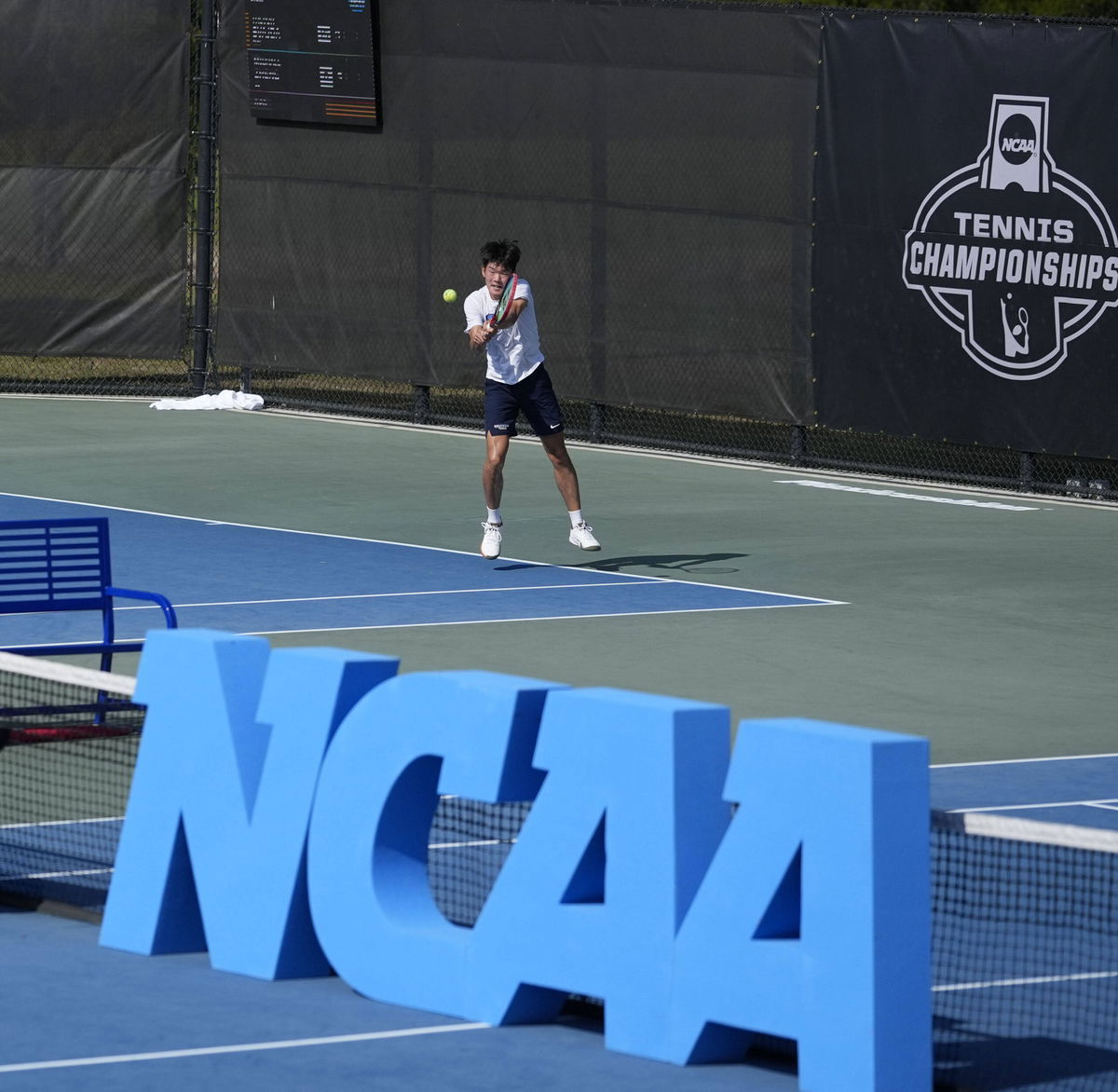
November 23, 2025, Orlando, Florida, USA: 11/23/25 2025-26 MenÃââ s Tennis at NCAA, College League, USA Individual Championships at the USTA National Center in Orlando, Florida..Michael Zheng Columbia University defeats Trevor Svajda SMU in the MenÃââ s Singles Finals 6-4, 1-6, 6-3 and claims the NCAA title. Orlando USA – ZUMAd212 20251123_zsp_d212_032 Copyright: xRichardxDolex
Imago
November 23, 2025, Orlando, Florida, USA: 11/23/25 2025-26 MenÃââ s Tennis at NCAA, College League, USA Individual Championships at the USTA National Center in Orlando, Florida..Michael Zheng Columbia University defeats Trevor Svajda SMU in the MenÃââ s Singles Finals 6-4, 1-6, 6-3 and claims the NCAA title. Orlando USA – ZUMAd212 20251123_zsp_d212_032 Copyright: xRichardxDolex
Last month, the tennis world was stunned when 23-year-old Italian pro Lorenzo Claverie announced his commitment to the University of Florida for 2026. The move sparked debate, with stars like Coco Gauff and former Andre Agassi coach Brad Gilbert questioning whether NCAA rules are truly fair to both American and international players. Now, ITA CEO David Mullins has stepped forward to address the criticism surrounding pro players’ inclusion in college tennis.
Watch What’s Trending Now!
Amid the backlash, Mullins spoke about the growing trend of older international athletes joining US college sports. He appeared on the ‘No-Ad, No Problem’ podcast to address the controversy.
“I think it does. I think all Olympic sports are dealing with this right now. Not just Olympic sports, we have Australian kickers coming into football, 26-27 years old,” he said.
ADVERTISEMENT
Mullins highlighted that older international athletes are entering US college programs across disciplines. He mentioned track and field as an example of this trend. He believes it reflects poorly on the sport.

Imago
NCAA, College League, USA Tennis: Los Angeles Tennis Center An aerial view of the Los Angeles Tennis Center on the campus of UCLA, Thursday, Sept. 9, 2021, in Los Angeles. The stadium is the home of the UCLA Bruins men s and women s tennis teams. Los Angeles California United States EDITORIAL USE ONLY Copyright: xImagexofxSportx ImagexofxSportx iosphotos253032
“I am giving examples, I am just saying it’s not just tennis. Track and field have 26-year-old Ethiopians coming in. And so, I think, it’s not a good look for our sport. And I know in speaking with coaches, they don’t like doing this. They don’t like agreeing to the demands of these student athletes,” Mullins explained.
ADVERTISEMENT
The controversy gained traction last month when Gilbert questioned the fairness of the rules. He wondered why international players can compete in college while Americans reportedly face stricter rules after turning pro.
Gilbert wrote on X, “How come this happens, 23-year-old freshman who was playing in futures, how long can he play for, also why doesn’t this rule apply to Americans to come back to college tennis then.”
ADVERTISEMENT
The discussion centers around Italian pro Lorenzo Claverie, who committed to the University of Florida for 2026. Claverie is 23 years old and has played professionally for several years.
He has reached career-high ATP rankings of No. 643 in singles and No. 586 in doubles. He continues competing in Futures and lower-tier ATP events while maintaining college eligibility.
Before turning pro, Claverie was a strong junior player. He reached a career-high ITF junior ranking of No. 52. His current UTR of 12.57 makes him one of the top recruits for the 2026 season.
ADVERTISEMENT
Despite his age and pro background, Claverie will join Florida as a freshman. This could give him up to four years of NCAA eligibility, depending on the review of his status. This potential advantage is fueling the ongoing debate about fairness in college tennis.
Mullins says older athletes impose limits on college participation
David Mullins later explained in the same podcast that older athletes often ask for limited college participation, financial support, scholarships, and funded pro events. He said coaches dislike these negotiations. However, they accept them because of competitive pressure and expectations from athletic directors.
ADVERTISEMENT
“Hey, I just want to play, you know three dual matches in the conference tournament or the NCAA and I want to get paid this and want a scholarship and I want you to take me to, 10 pro events and pay for it. Coaches hate having that conversation. They hate agreeing to it. They don’t want to but they feel like, well this is the current environment and I still have to win as a coach. The athletic directors expecting me to challenge for a national championship. So I’m gonna agree to these terms,” he added.
He also noted a difference in treatment between international and American athletes. International players can delay college. They can earn limited prize money and still remain eligible.
Top Stories
Carlos Alcaraz Makes Bold Coaching Call After Sudden Split With Juan Carlos Ferrero

Carlos Alcaraz’s Split With Coach Resulted From ‘Major Disagreements’ With His Father

Stan Wawrinka Breaks Silence on Retirement With Emotional Message After 23 Years on Tour

12-Year Ban Sends Shockwaves Through Chinese Tennis After Match-Fixing Scandal

Daniil Medvedev Brutally Defeated by World No. 524

American players on the other hand face stricter standards. Many lose eligibility if they test the professional pathway. Some leave school early and cannot return.
ADVERTISEMENT
This gap creates tension about fairness. The debate now focuses on whether including older players will create confusion and competitive imbalance.
ADVERTISEMENT
ADVERTISEMENT
ADVERTISEMENT
