
Imago
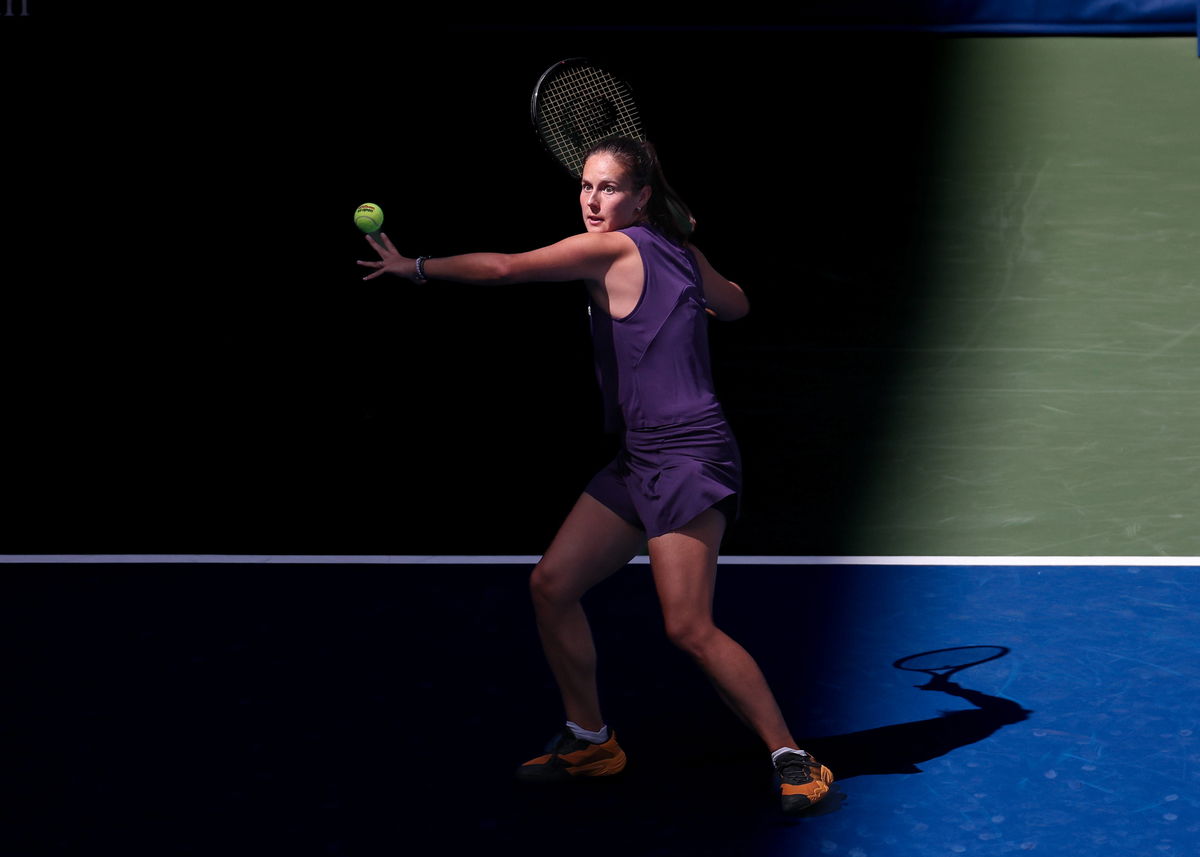
Daria Kasatkina, von oben, US Open Championships 2023, USTA Billie Jean King National Tennis Center, Flushing Meadows, New York, USA . *** Daria Kasatkina, from above, US Open Championships 2023, USTA Billie Jean King National Tennis Center, Flushing Meadows, New York, USA Copyright: xJuergenxHasenkopfx
Imago
Daria Kasatkina, von oben, US Open Championships 2023, USTA Billie Jean King National Tennis Center, Flushing Meadows, New York, USA . *** Daria Kasatkina, from above, US Open Championships 2023, USTA Billie Jean King National Tennis Center, Flushing Meadows, New York, USA Copyright: xJuergenxHasenkopfx
When Anastasia Potapova revealed she would represent Austria starting in 2026, it caught the tennis world’s attention immediately. However, it was not only the announcement that was making noise; it was the reaction of Daria Kasatkina that took the stage.
Watch What’s Trending Now!
We saw, Potapova shared the news on Instagram, writing, “I am delighted to let you all know that my application for citizenship has been accepted by the Austrian Government. Austria is a place I love, is incredibly welcoming and a place where I feel totally at home. I love being in Wien and look forward to making my second home there…” And within no time, fans realized that something was wrong.
The phrasing of Potapova’s announcement was also very similar to that of a message Daria Kasatkina posted earlier this year when she announced her nationality change. The only difference was that ‘Australia’ was replaced with ‘Austria.’
ADVERTISEMENT
One fan even commented on the post, “Not she copying Dasha’s words but only replaced Australia with Austria,” leaving everyone wondering how Kasatkina would respond.
Social media exploded with comments, memes, and jokes after Kasatkina responded to the similar phrasing with a single skull emoji. But she didn’t stop there.
Daria Kasatkina further added, “And no, we are not from same agency😂,” she added with a laughing emoji.
ADVERTISEMENT
And no, we are not from same agency😂
— Daria Kasatkina (@DKasatkina) December 5, 2025
The laughing emoji made it clear she found the situation funny and dismissed any idea that the same PR team had written both posts. But it raises the bigger question: why did they decide to switch their sporting nationality in the first place?
ADVERTISEMENT
Why did Anastasia Potapova and Daria Kasatkina switch their nationalities?
For Daria Kasatkina, the decision to start representing Australia in March 2025 was a major step in her career and life. The 28-year-old has been a vocal critic of Russia’s military actions in Ukraine and has openly cited safety concerns as a gay woman for leaving the country. She hasn’t returned to Russia since February 2022 and has been living in Dubai in the years leading up to her permanent residency.
Changing her sporting nationality allowed her to continue competing at the highest level while securing her personal safety and freedom. Her action is typical of a larger trend of Russian and Belarusian athletes as well, who have also been banned from participating under their national flags since 2022. Others have sought to acquire new nationalities to preserve their careers.’.
ADVERTISEMENT
In a similar move, 24-year-old Anastasia Potapova declared that she will compete in Austria beginning in 2026. This move was done by Potapova, who has three singles titles and a career-best ranking of No. 21, almost two years after her ex-husband, Alexander Shevchenko, changed his nationality to Kazakhstan in January 2024.
Top Stories
Aryna Sabalenka Surges Past $15 Million to Break WTA’s All-Time Record
Serena Williams’ 2026 Comeback Hopes Shut Down as Venus Drops a Brutal Reality Check

Frances Tiafoe Makes Feelings Clear About Taylor Fritz After Brutal Clash: “Can’t Stand Him”

World No. 43 Announces Retirement After Infamous Stolen Trophy Incident at US Open

41-Year-Old Veteran’s Comeback Turns Heads as 16-Year-Old Sensation Awaits

When Potapova makes the switch, she will be the highest-ranked female tennis player in Austria and will play on the Austrian flag in the 2026 season, becoming part of the list of Russian athletes transforming the tennis landscape by changing nationality.
ADVERTISEMENT
ADVERTISEMENT
ADVERTISEMENT
