
Imago
via Imago
Imago
via Imago
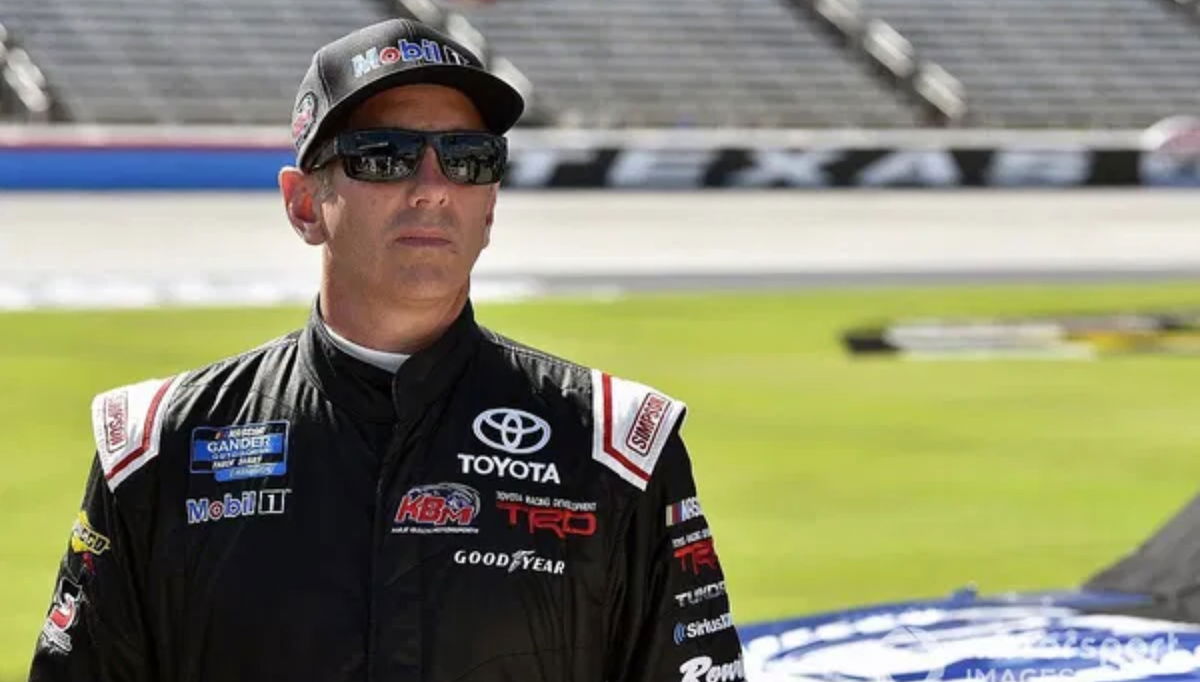
Greg Biffle’s sudden demise sent ripples across the motorsport fraternity. The fans and experts from all over the world are still coming to terms with it, as they try to cope with the second-hand loss that they are experiencing. But right now, the question being discussed more than his death is ‘how’ he died.
Watch What’s Trending Now!
Plane crashes and NASCAR have some weird, unwanted connection. Over the years, so many drivers have lost their lives in air-borne travel, which just goes on to show how uncertain a driver’s life in NASCAR can be, beyond the dangers of racing itself. Speaking on the same lines, two veterans, Ken Schrader and Kenny Wallace, who’ve seen a lot in their careers and even experienced a lot of it firsthand, discussed the unpredictability of life and the growing anxiety in the industry regarding airplane crashes.
ADVERTISEMENT
Schrader and Wallace on NASCAR’s exposure to plane crash tragedies
Statistically speaking, air travel continues to be the safest way of transport. It still just accounts for around 0.07 deaths per billion passenger-miles, making it about 200 times safer than cars. But it’s the magnitude of every accident that shakes everyone and comes to the public eye very easily.
That’s what happened in the case of Greg Biffle in December last year, who lost his life, along with his wife and children. Ken Schrader, who raced with Biffle in NASCAR, shared his view on the same. Speaking about it with Kenny Wallace in the Herm & Schrader podcast, here’s what he said:
“Greg, his wife, two kids, and three others. We lost seven there. A plane wreck. We’re lucky, we’re lucky in this industry; something like that happens is huge. It’s not like a car wreck or to say, every day it happens and kills people. We fly so many hours a year, our whole industry does. We’ve had it before, with Davy and Allen.”
ADVERTISEMENT
Schrader is doubling down on that same point. When aviation accidents happen, they feel huge. Even though they’re exceptional, they are not common at all.
And in Biffle’s case, or for the entire motorsports industry for that matter, it’s even riskier, as they continuously travel on planes all year round.
ADVERTISEMENT
“But when it hits you like that, it doesn’t make any difference as to why it happened. We’ll get to the bottom of it. But the bottom line, we lost seven souls.”
No matter what the reason is, right now, the biggest loss still remains the fact that the tragedy did take place.
Imago
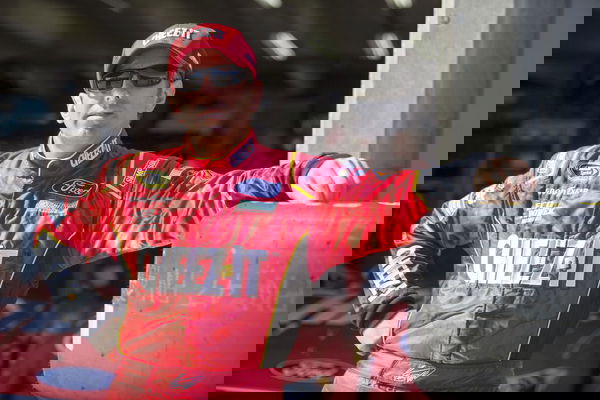
Concord, NC – May 28, 2016: Greg Biffle (16) gets ready to practice for the Coca-Cola 600 at the Charlotte Motor Speedway in Concord, NC
And it goes beyond Biffle’s death. For instance, 2017 was considered to be the safest year since 2005 for air travel, and yet we saw Mike Sefanik, a nine-time NASCAR modified champion, getting killed in a plane crash in 2017. In the same month, Ted Christopher, another modified champion, died in a separate plane crash.
ADVERTISEMENT
Prior to them, Rick Hendrick’s son, brother, and two nieces died in a plane crash in 2004. Davey Allison, Alan Kulwicki, Richie Panch, and Curtis Turner were a few notable names who could not survive the crashes.
The flight to one place from another involves uncertainty, but in NASCAR’s case, the anxiety is just growing quite a bit now. Speaking about this, Wallace also poured in his two cents.
ADVERTISEMENT
“I’ve talked to some pilots and they said to me, kind of like we do in the racing industry. Because they are pilots and some of them fly that same kind of airplanes, so it doesn’t happen to them. So it is in the industry, on everybody’s mind what happened and we know that they will come out in the next 30 days I’m saying.”
Just like racers, pilots also apply the same ways of analyzing when something goes wrong. The point is to figure out the safety so it doesn’t happen again, and not put the blame.
On the bright side, not everybody who faced plane crashes succumbed to it. Key names such as Jack Roush (co-owner of RFK Racing) survived the plane crash twice in 2002, and 2010. While Dale Earnhardt Jr., his wife, and daughter survived in a separate crash in August 2019.
ADVERTISEMENT
Top Stories
NASCAR 2026 Championship Format Explained: Points System, Bonuses, Stages & More
7 NASCAR Drivers Facing a Do-or-Die Situation in the 2026 Season

Tony Stewart Takes a Dig at the Daytona 500 With 7-Word Chili Bowl Verdict Amid Souring NASCAR Ties

Livid Fans Rip Into FOX Sports as They Publicly Call Out Daytona 500 Disgrace

When Dale Earnhardt Jr. survived a plane crash
In 2019, Dale Earnhardt Jr., his wife, and his one-year-old daughter, Isla, were out on their private jet. However, their outing did not end on a good note, as the Earnhardt family faced a plane crash, but luckily survived.
Earnhardt’s private jet, the Cessna Citation, the same jet that crashed and killed Greg Biffle and his family, rolled off the runway and caught fire after landing. According to the NTSB report, the pilot error caused the crash at the Elizabethton Municipal Airport.
ADVERTISEMENT
Along with the family, their family dog was also on board. Luckily, all of them survived and were taken to the local hospital for emergency evaluation. Sharing a statement on the family, Kelley Earnhardt Miller, Earnhardt Jr.’s sister updated a post on X.
She wrote, “I can confirm Dale, Amy & Isla, along with his two pilots, were involved in a crash in Bristol, TN this afternoon,” tweeted Earnhardt’s sister, Kelley Earnhardt.
“Everyone is safe and has been taken to the hospital for further evaluation. We have no further information at this time. Thank you for your understanding.”
ADVERTISEMENT
Earnhardt Jr. and his family were ultimately lucky, as plane crash saves are even rarer than crashes themselves. With that said, there’s no doubt that in the near future, the risk and anxiety of airplane travel in NASCAR is not going away anytime soon.
ADVERTISEMENT
ADVERTISEMENT
ADVERTISEMENT
