
Imago
Credit: American Cars And Racing
Imago
Credit: American Cars And Racing
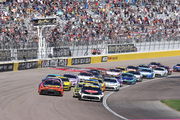
For decades, NASCAR’s most iconic tracks have carried names that felt untouchable, woven directly into the sport’s identity. That began to shift again in 2025 when Atlanta Motor Speedway was officially rebranded as EchoPark Speedway, marking a new era after a seven-year naming-rights deal with EchoPark Automotive. The change brought fresh branding, modern polish, and a reminder that even historic venues are not immune to commercial evolution.
Watch What’s Trending Now!
Now, in the latest NASCAR news, as the calendar turns toward 2026, a similar conversation is unfolding elsewhere. Another legendary NASCAR landmark is facing the possibility of a name change, sparking debate about tradition, revenue, and how far the sport should allow renaming its most cherished places.
ADVERTISEMENT
City explores naming-rights deals for Bowman Gray
Winston-Salem is officially putting the naming rights to some of its most recognizable public properties on the table, including the historic Bowman Gray Stadium and the Winston-Salem Fairgrounds. City officials have confirmed that dozens of city-owned venues could soon be branded through sponsorship agreements as part of a broader effort to generate new revenue without raising taxes.
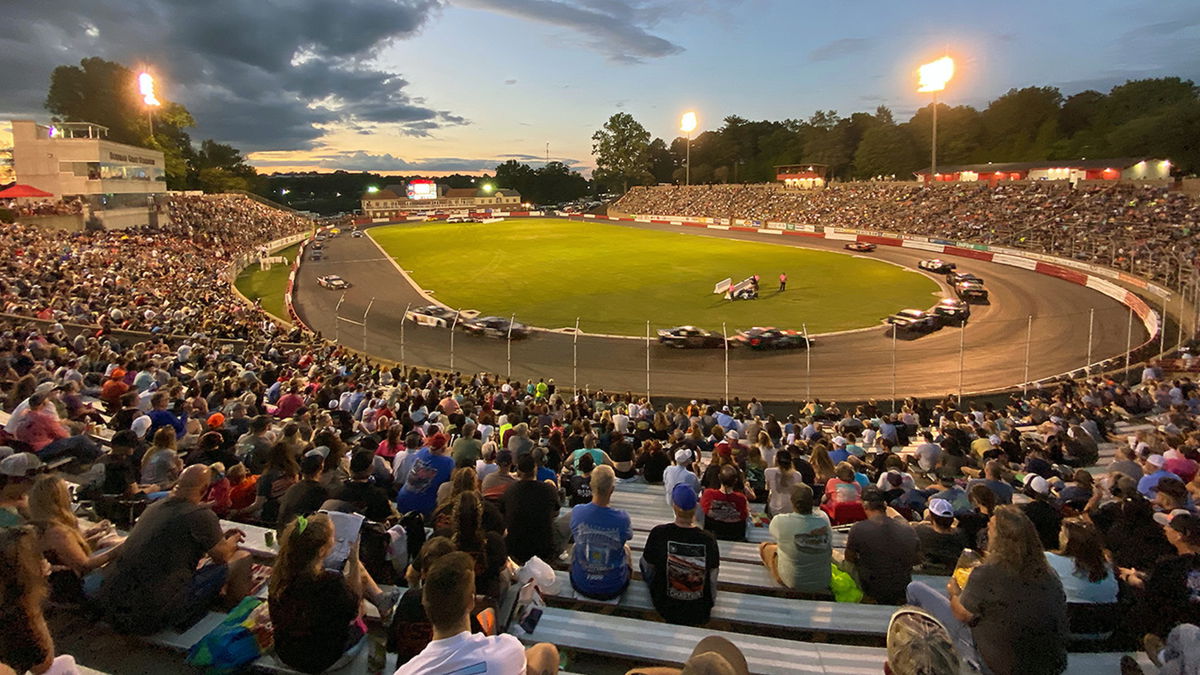
One of the most high-profile assets involved is Bowman Gray Stadium, a cornerstone of NASCAR history that has undergone extensive upgrades in recent years. Those improvements were accelerated after the city secured a deal with NASCAR to host the Cook Out Clash, bringing the Cup Series back to the historic quarter-mile track for the first time since 1971. The preseason exhibition race will return again in February 2026.
The city of Winston-Salem, N.C., is offering to sell naming rights to re-name Bowman Gray Stadium. – @JournalNow https://t.co/6enqpUsFwQ
— Adam Stern (@A_S12) January 3, 2026
ADVERTISEMENT
Under the current agreement with NASCAR, Bowman Gray is scheduled to host five races from NASCAR’s top three national series over the next five years. Beyond marquee events, the stadium remains a weekly hub for grassroots racing, hosting its long-running Saturday night summer series featuring primarily local drivers. It also serves as the home football field for Winston-Salem State University.
Importantly, city officials stressed that any naming-rights agreement would not erase Bowman Gray’s identity. They emphasized that the stadium’s historic name will remain intact regardless of the sponsor or financial scale of any deal, preserving the legacy while opening the door to modern revenue opportunities.
ADVERTISEMENT
“The stadium’s namesake will remain in place regardless of the donor or size of the deal,” explained Sportsman Solutions Vice President Ryan Patrick, who is leading the effort.
To spearhead the initiative, the city hired Sportsman Solutions, an Iowa-based firm specializing in naming-rights and sponsorship strategies. Over the past two months, the company has contacted roughly 1,500 potential sponsors, ranging from local Triad-based businesses to national corporations. The pitch spans everything from youth baseball fields to major facilities like the fairgrounds complex itself.
“It’s a blank canvas here in Winston-Salem, and an incredible opportunity to offset some mandatory costs towards capital projects,” added Patrick.
ADVERTISEMENT
Top Stories
“I’d Be Dead”: NASCAR Legend Credits Kevin Harvick for Saving His Life
“I’m Worried” – Ross Chastain Confesses Fears of Triggering Michael Jordan’s Lawsuit Wrath With Humble 3-Word Claim
Chaotic Brawl Breaks Out at Tulsa Shootout After Teen Flips Off Rival Driver
Fans Demand New List of Tracks to Be Added to NASCAR Schedule
The legacy that made Bowman Gray untouchable
Long before superspeedways, charter systems, and billion-dollar TV deals, Bowman Gray Stadium was already shaping what NASCAR would become. Opened in 1937 as a Depression-era public works project, the quarter-mile stadium in Winston-Salem quietly transformed into the heartbeat of weekly stock car racing.
By 1939, dirt midget cars were circling the football field. And when the track was paved in 1947, Bowman Gray became a proving ground for raw talent and relentless competition. That legacy hardened in 1949.
ADVERTISEMENT
It was then that NASCAR founders Bill France Sr. and Alvin Hawkins sanctioned the first Grand National race there. Fonty Flock’s victory that night helped launch a tradition that would span generations.
Imago
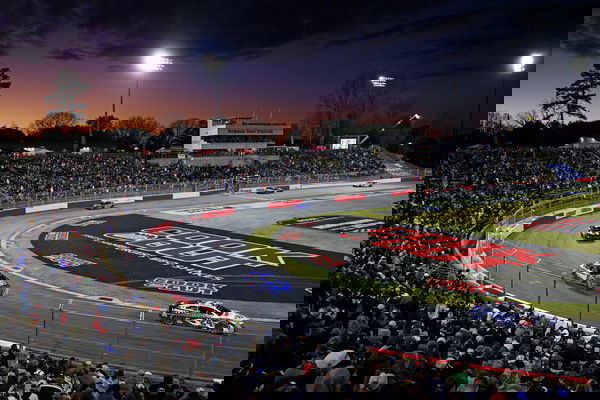
NASCAR, Motorsport, USA Clash at Bowman Gray – Practice Feb 1, 2025 WInston-Salem, North Carolina, USA NASCAR Cup Series driver William Byron 24 and NASCAR Cup Series driver Kyle Larson 5 during practice for the Clash at Bowman Gray at Bowman Gray Stadium. WInston-Salem Bowman Gray Stadium North Carolina USA, EDITORIAL USE ONLY PUBLICATIONxINxGERxSUIxAUTxONLY Copyright: xPeterxCaseyx 20250201_pjc_bc1_064
Between 1958 and 1971, the stadium hosted 29 Cup Series races. The winners included names like Richard Petty, Lee Petty, David Pearson, and Bobby Allison. Petty scored four victories at the track, while Allison’s controversial 1971 win (long disputed) was officially reinstated in 2024, closing a chapter more than 50 years later.
ADVERTISEMENT
The “Madhouse” nickname wasn’t a marketing hype. The flat, unforgiving asphalt produced many side-by-side battles and grudges that lasted for decades. Glenn Wood’s Modified dominance, Richard Childress selling peanuts before climbing into a race car, and Petty’s 100th career win all unfolded within its concrete walls.
Today, with NASCAR leasing the facility and returning the Cook Out Clash since 2025, Bowman Gray remains a living monument. That history is why the idea of attaching a corporate name now feels so jarring. And why fans are watching the next move so closely.
ADVERTISEMENT
ADVERTISEMENT
ADVERTISEMENT
