
Imago
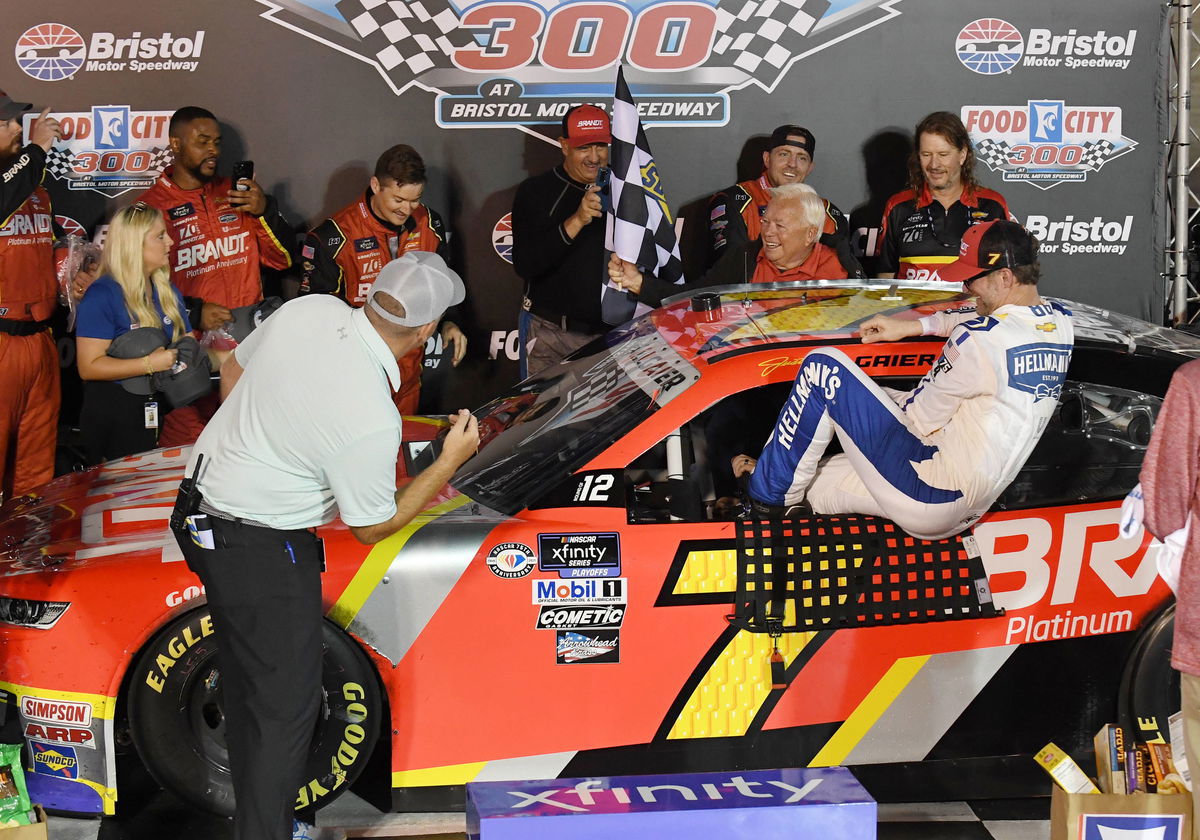
BRISTOL, TN – SEPTEMBER 15: Dale Earnhardt, Jr 88 JR Motorsports Hellmann s Chevrolet rides into Victory Lane with Justin Allgaier 7 JR Motorsports BRANDT Chevrolet and his father Mike Allgaier after the running of the NASCAR, Motorsport, USA Xfinity Series Playoff Food City 300 on September 15, 2023, at Bristol Motor Speedway in Bristol, TN. Photo by Jeffrey Vest/Icon Sportswire AUTO: SEP 15 NASCAR Xfinity Series Playoff Food City 300 EDITORIAL USE ONLY Icon2309153079
Imago
BRISTOL, TN – SEPTEMBER 15: Dale Earnhardt, Jr 88 JR Motorsports Hellmann s Chevrolet rides into Victory Lane with Justin Allgaier 7 JR Motorsports BRANDT Chevrolet and his father Mike Allgaier after the running of the NASCAR, Motorsport, USA Xfinity Series Playoff Food City 300 on September 15, 2023, at Bristol Motor Speedway in Bristol, TN. Photo by Jeffrey Vest/Icon Sportswire AUTO: SEP 15 NASCAR Xfinity Series Playoff Food City 300 EDITORIAL USE ONLY Icon2309153079
Since its founding in 1948, NASCAR has never stood still. What began with showroom stock cars sliding around dusty dirt tracks has evolved into a polished, tech-heavy sport built around safety innovations and made-for-TV moments. Over the decades, cars have changed, rules have tightened, race formats have been tweaked, and commercial interests have reshaped how fans experience the sport. But in the mix of all this, have we forgotten the soul of the sport?
Watch What’s Trending Now!
Some changes have surely pushed NASCAR forward. Others, critics argue, may have chipped away at traditions that once made race day feel special. That tension between progress and nostalgia is exactly what a former driver and ex-FOX announcer is calling out. This time, over what he believes NASCAR has lost in Victory Lane.
ADVERTISEMENT
What’s gone wrong with modern NASCAR Victory Lane
“NASCAR Victory Lane is not exciting anymore. I don’t know who started this, and they probably meant well, but it’s time to correct it. It’s got really messy.”
That blunt assessment from Kenny Wallace cuts straight to the heart of a debate many longtime NASCAR fans quietly agree with. For Wallace, Victory Lane used to be a moment that was structured, emotional, and instantly recognizable. Today, he believes it’s turned into chaos that robs fans of the very connections that once made race wins feel larger than life.
Wallace points to how celebrations now unfold almost immediately after the checkered flag. The winning driver spins down the frontstretch, climbs out of the car wherever it stops, and suddenly, cameras, crew members, and interviewers are sprinting across grass and pit road to catch up.
ADVERTISEMENT
“Coffee with Kenny”
Bring back THE REAL @NASCAR Victory Lane. It was entertaining 🏁 pic.twitter.com/M70ub6hjxP
— Kenny Wallace (@Kenny_Wallace) January 3, 2026
In Wallace’s view, that scramble kills the storytelling. There’s no pause. No buildup. No sense of arrival. Plus, it compromises safety as well. Remember how during the Victory Lane celebrations after the Gateway Xfinity race, Connor Zilisch narrowly missed hitting the cameraman standing on the track while performing a burnout.
ADVERTISEMENT
Now, what Wallace wants instead is a return to the old-school Victory Lane routine. Let the race end. Go to a commercial break. Bring the car into Victory Lane. Then let the moment breathe. Wallace recalls how fans instantly knew where to look on TV: wives, kids, crew chiefs, owners, sponsors, all gathered together.
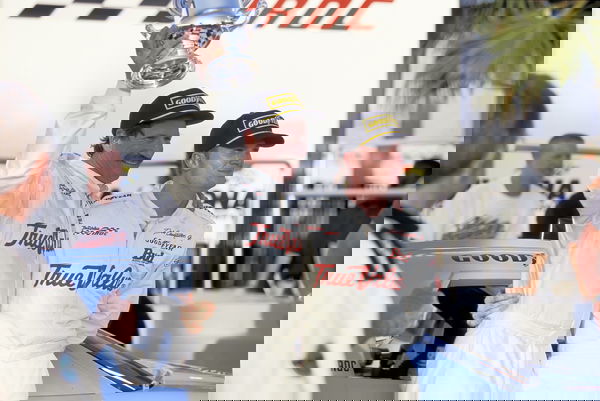
It was a snapshot of the entire team behind the win, not just the driver holding a microphone in the infield. He also argues that something far more personal has been lost along the way. Iconic moments like Dale Earnhardt Sr. celebrating with a young Dale Jr. nearby aren’t happening anymore. Those unscripted family interactions helped turn race wins into lasting memories.
Imago
US Presswire Sports Archive Unknown Date Daytona, FL, USA FILE PHOTO NASCAR, Motorsport, USA driver Dale Earnhardt Sr and Dale Earnhardt Jr in victory lane after Earnhardt Sr. won the IROC race at Daytona International Speedway. Daytona Florida USA, EDITORIAL USE ONLY PUBLICATIONxINxGERxSUIxAUTxONLY Copyright: xUSAxTODAYxSportsx 2124039
Wallace isn’t asking NASCAR to abandon modern presentation. He’s asking it to slow down. To restore Victory Lane as a destination, not a mad dash. Because in trying to make celebrations more spontaneous, NASCAR may have accidentally taken away the very magic that once made them unforgettable.
ADVERTISEMENT
Aside from celebrations, Wallace also addressed the issue of ticket prices.
Top Stories
Ross Chastain Labels NASCAR Driver “The Most Punchable Face” to Excuse Himself Over Punchgate Controversy
Commissioner Steve Phelps Quits NASCAR Days After Getting Exposed in Lawsuit Trial
Jimmie Johnson Poaches Richard Childress’ Key Ally Ahead of NASCAR 2026 Season
When Rick Hendrick Walked Away From $1,000 to Avoid Dale Earnhardt Sr’s Wrath
Who Is Steve Phelps? NASCAR Commissioner’s Net Worth, Wife & NASCAR Contract

ADVERTISEMENT
Wallace takes aim at NASCAR leadership on rising ticket costs
As debates rage over NASCAR’s evolving fan experience, Kenny Wallace has turned his attention to another growing source of frustration: the rising cost of simply showing up at the track. From his perspective, fans are being asked to pay more while receiving less in return. And that imbalance, he believes, falls squarely on NASCAR leadership.
“Steve O’Donnell, my dear friend, if you’re listening to this, ‘You are the president of NASCAR. Let’s get some practice in on Friday and Saturday. Let’s do some things. Let’s give, let’s give these, these fans a reason to get to the racetrack early,’” Wallace said, urging the sport to rethink how it builds value into race weekends.
His comments land at a time when ticket prices are noticeably climbing. While entry-level seats at some races can still be found in the $40–$60 range, fans looking for decent grandstand views are increasingly seeing prices hover between $80 and $100. Premium events like the Daytona 500 sit in a different bracket entirely, with tickets regularly crossing the $100 mark before fees are even added.
For many longtime supporters, the contrast with the mid-2010s is stark. Not long ago, attending a full race weekend for under $70 was realistic. Today, between tickets, travel, food, and parking, the cost has risen enough that fans are forced to pick and choose which races they can afford to attend.
Wallace’s argument isn’t just about prices. Rather, it’s about value. He believes adding meaningful on-track action, like expanded practice sessions, could justify the cost and reward fans who commit early. Without those incentives, frustration continues to grow, leaving NASCAR at risk of pricing out the very audience that built the sport.
ADVERTISEMENT
ADVERTISEMENT
ADVERTISEMENT
ADVERTISEMENT
